
Service Magic

what is service magic?
The first thing we learn as Magic Scholars is that there is no one way to define magic. Throughout history and across cultures, magic has been recognized and experienced in countless ways.
At School of Reverence, we remain curious about all the depths and layers of magic and approach it through a relational lens: our relationships with ourselves, one another, the world around us, and the great mysteries that shape our lives.
We use service magic to describe the relationship between magic and being of service: applying magical knowledge in service of people and their everyday lives.
Magical Technologies
How we put magical knowledge into practice.
The word technology hasn't always meant machines or electronics. Its roots point toward skill, art, method, and practical knowledge.
A magical technology is something we engage with intentionally and relationally, developing knowledge and skill through practice and repeated engagement.
Practices from esoteric traditions, such as tarot, astrology, and spell-work, can function as magical technologies, AND so can everyday practices when approached in this way.
At School of Reverence, our service magic currently includes:
-
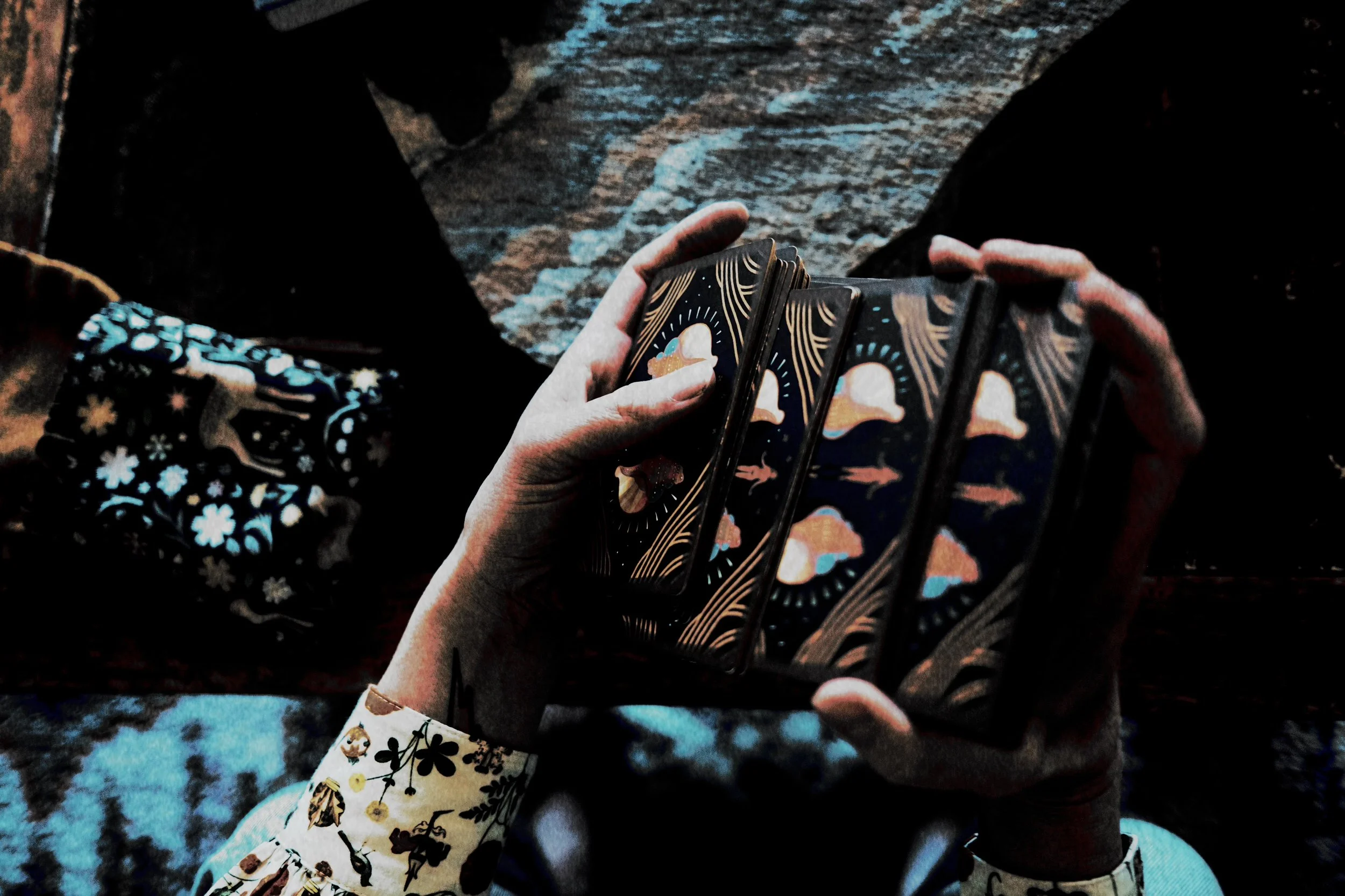
Divination as a relational practice for curiosity, reflection, and navigating what is alive in your life.
-
Description text goes here
-
Support for making meaning from psychedelic experiences and integrating what emerges into everyday life.
-
One-on-one support for developing your magical literacy, practices, and relationship with your own magic.
-
Item description
Stewards of Magic
-

Fortuna
Steward of Vision, Education & Community
-

Suchetana
Steward of Creative Practice & Public Engagement
-
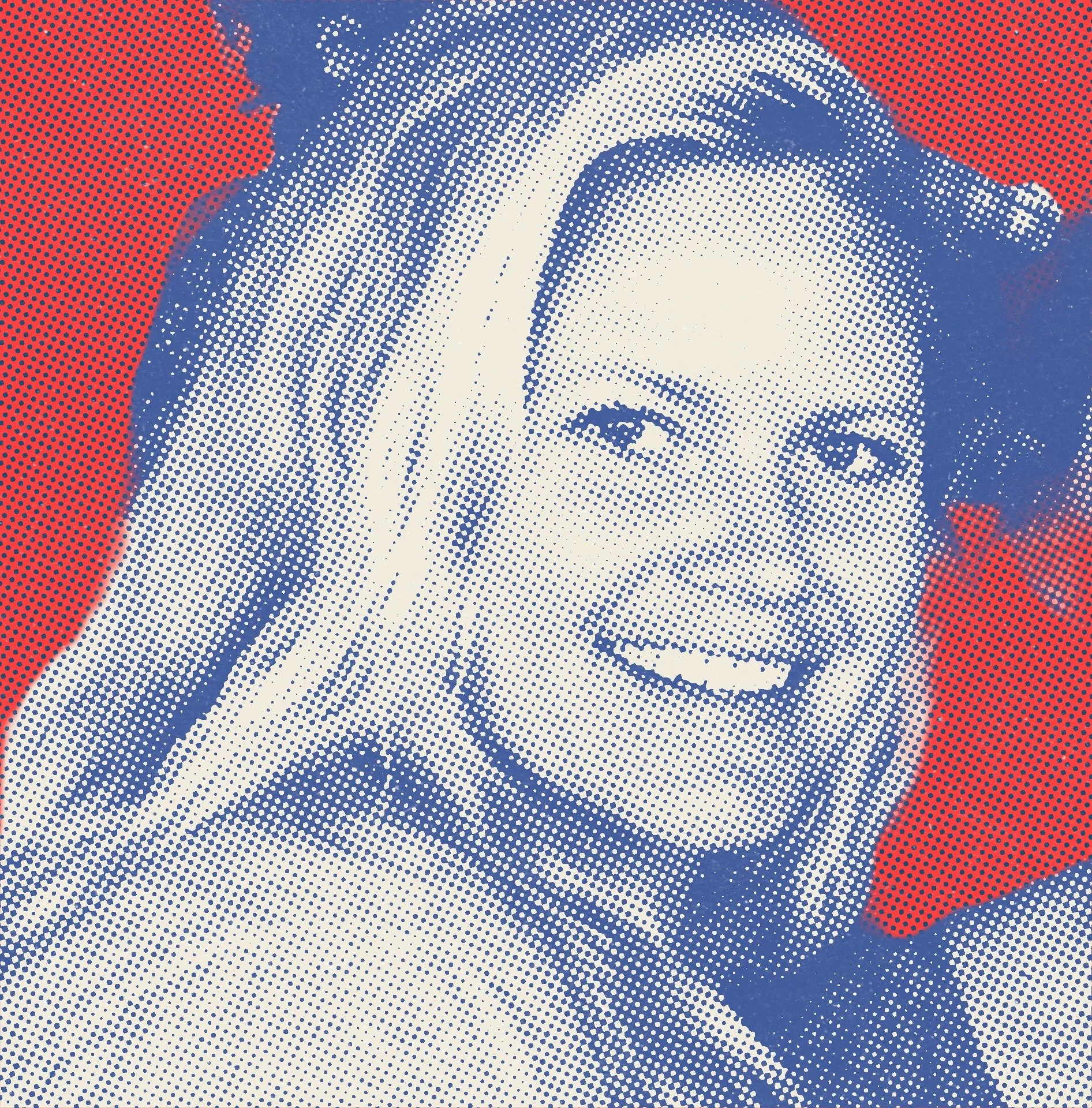
Allie
Steward of Practitioner Development
-

Tamblyn
Steward of Operations & Institutional Development
-

Charlie
Steward of Scholarship & Heritage
-
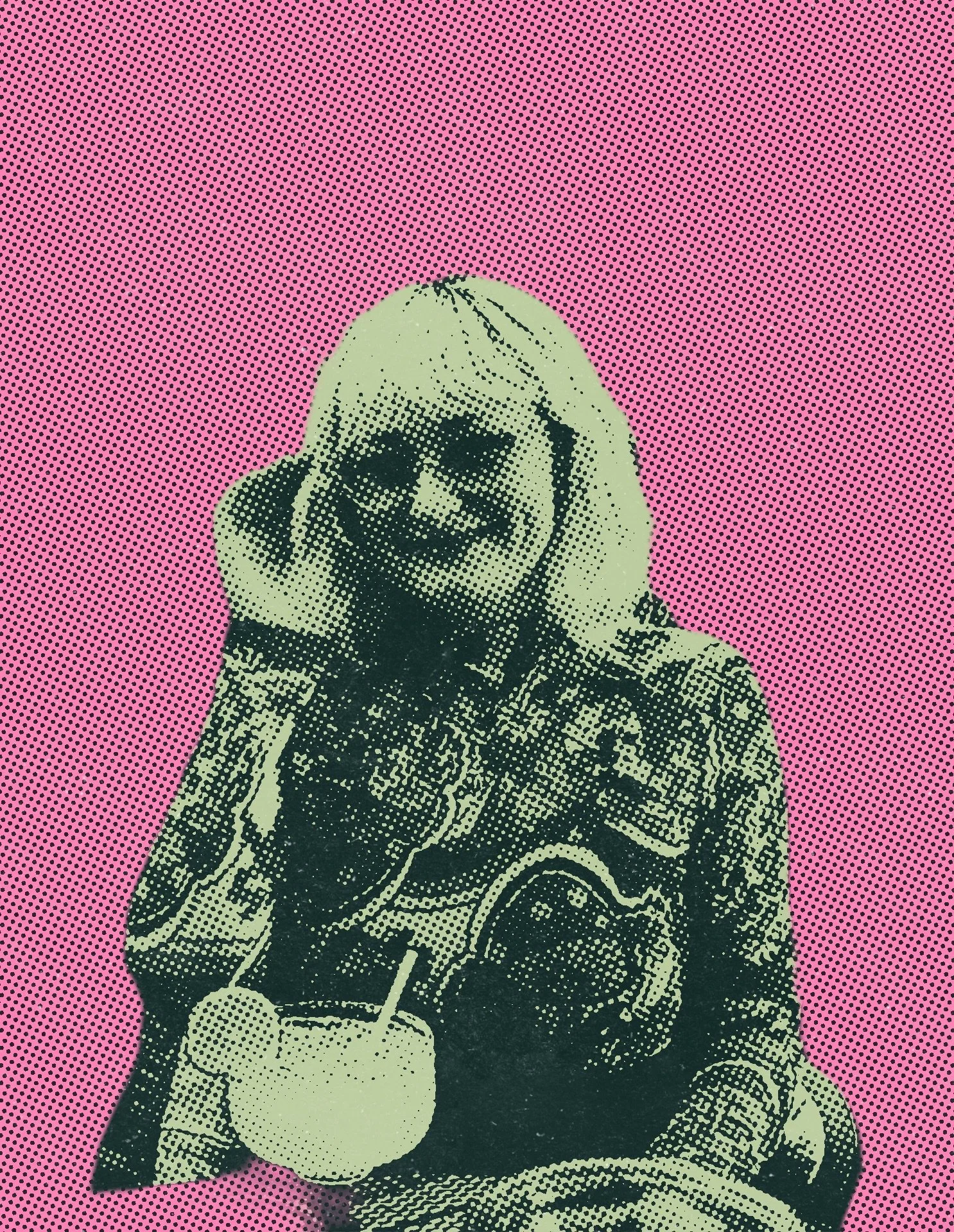
Emily
Glimmer Shop Curator
a council of stewards
School of Reverence is guided by a Council of Stewards, a collaborative governance model that reflects our educational philosophy. Rather than organizing ourselves through rigid hierarchy, we practice shared stewardship. Each steward brings particular expertise while participating equally in the community's long-term care. Leadership is responsibility toward one another and the flourishing of the whole.